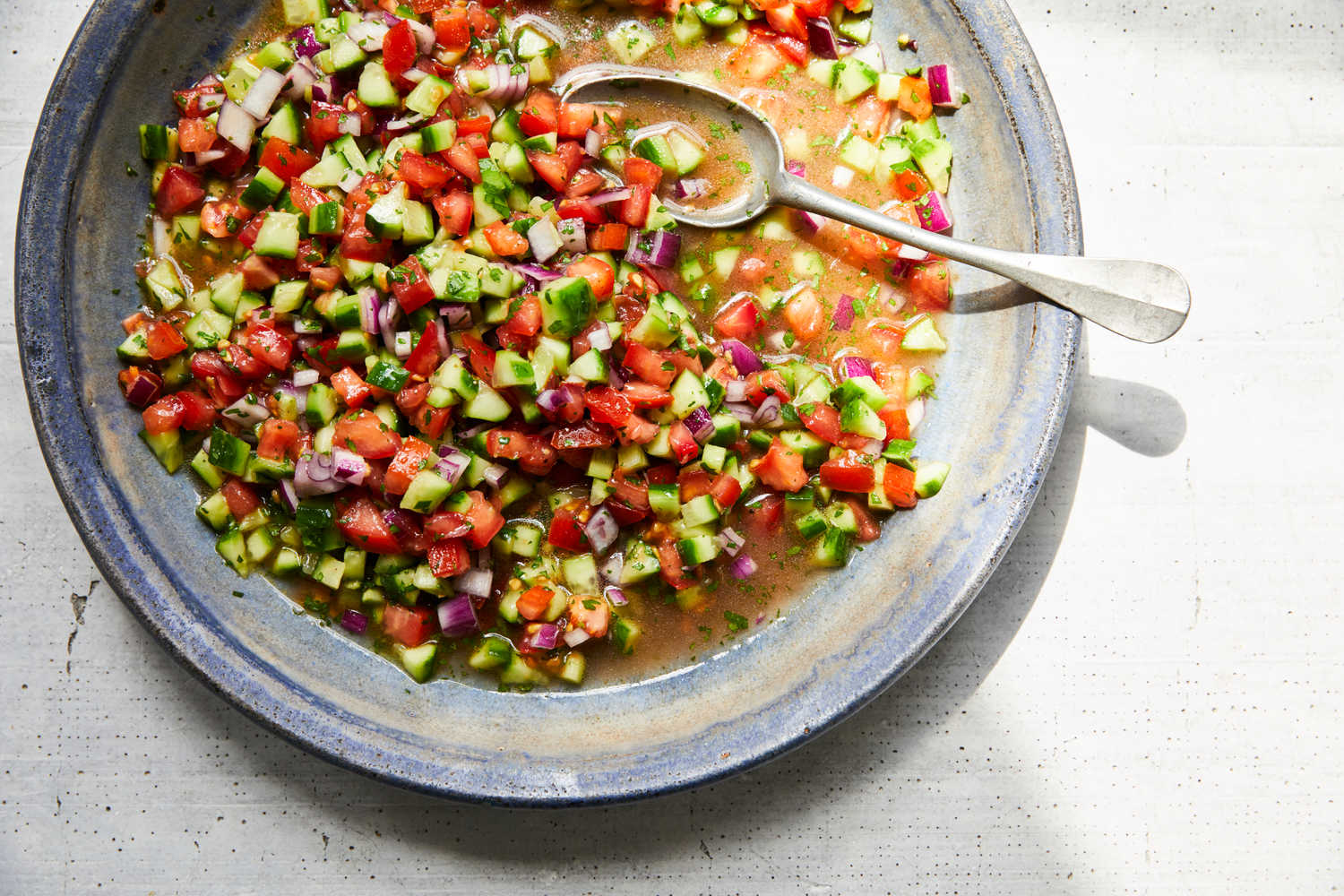
The Heart of Persian Refreshment: What Makes Shirazi Salad Stand Out?
Shirazi Salad, known in Farsi as
Salad-e Shirazi, is far more than just a side dish; it's a vibrant cornerstone of Persian cuisine, a refreshing counterpoint that graces almost every Iranian table. Originating from the historic city of Shiraz in south-central Iran, this delightful concoction has earned its title as the national salad of Persia, celebrated for its crisp textures, bright flavors, and incredible versatility. Its widespread appeal stems from its simplicity and the masterful balance of its core components, creating a dish that is both deeply satisfying and wonderfully light.
Think of Shirazi Salad as a more herbaceous, juicier, and distinctly acidic cousin to familiar Mediterranean and South Asian salads. While it shares some structural similarities with Greek or Israeli salads, or even Indian kachumber, Shirazi Salad carves out its own identity with its unique emphasis on fresh herbs and a pungent citrus vinaigrette. It's designed to be a bright, crunchy, and tart palate cleanser, perfectly balancing the richness of traditional Persian main dishes. Imagine a buttery, aromatic rice pilaf or an unctuous, slow-cooked stew – the invigorating zest of Shirazi Salad cuts through these hearty flavors, refreshing your palate and preparing it for the next delicious bite. This dynamic interplay makes it an indispensable accompaniment, elevating the entire dining experience, whether served alongside an elaborate Tachin Joojeh or a simple weeknight meal. Its ease of preparation further solidifies its status as a beloved staple, making gourmet Persian dining accessible to all.
The Quintessential Vegetables: Foundation of Shirazi Salad
The magic of a perfect shirazi salad persian cucumber onion tomato salad lies in the quality and preparation of its primary vegetables. Each ingredient plays a crucial role in creating the iconic taste and texture profile that makes this salad so beloved.
Persian Cucumbers: The Crispy Core
At the absolute heart of Shirazi Salad are
Persian cucumbers. These small, slender wonders are non-negotiable for an authentic experience. What sets them apart? Their almost seedless interior, thin and tender skin, and remarkably crisp texture. Unlike larger, waterier cucumbers, Persian cucumbers offer a sweet, fresh flavor without overwhelming moisture, ensuring the salad remains bright and crunchy. Their compact size also makes them ideal for the fine dicing characteristic of Shirazi Salad. If genuine Persian cucumbers prove elusive, the next best alternative is English hothouse cucumbers. These also boast thin skins and minimal seeds, providing a comparable crunch and mild flavor. When selecting cucumbers, look for firm, bright green specimens without any soft spots or yellowing, indicating freshness.
Ripe Tomatoes: Juiciness and Tang
No shirazi salad is complete without the succulent burst of ripe tomatoes. The key here is ripeness; a sweet, juicy tomato contributes significantly to both the flavor and the visual appeal of the salad. While any diced red, ripe tomato will suffice, many enthusiasts prefer organic cherry tomatoes, quartered for their concentrated sweetness and firmer flesh. The advantage of cherry tomatoes is their tendency to release less juice prematurely, helping the salad maintain its integrity until serving. If using larger tomatoes, it's crucial to core them thoroughly before dicing to remove the watery seed pulp, ensuring the salad remains crisp and vibrant rather than soggy. The vibrant red of the tomatoes contrasts beautifully with the green cucumbers and white or red onions, adding to the salad's overall appeal.
Onions: The Pungent Kick
The distinct sharp bite of onions is vital to the Shirazi Salad's character, providing an essential layer of flavor that balances the sweetness of the tomatoes and the freshness of the cucumbers.
Red onions are a common choice, offering a beautiful color contrast and a pronounced, piquant flavor. However, white onions can also be used for a slightly milder profile. Some traditionalists even insist that thinly sliced green onions are the most authentic choice, lending a milder, fresher onion note without the intense sharpness of red or white varieties. The choice ultimately comes down to personal preference and the desired intensity. For those who find raw onion too overpowering, a quick soak in ice water for 10-15 minutes before dicing can help to temper some of their sharpness, allowing their flavor to blend more harmoniously without overwhelming the other ingredients. Additionally, some recipes incorporate finely diced green pepper as an optional but delicious addition, contributing another layer of fresh, slightly bitter crunch. For more insights into this essential dish, read
Shirazi Salad: The Easy Persian Cucumber, Tomato & Onion Staple.
The Zesty Vinaigrette & Aromatic Herbs: Elevating the Flavor Profile
While the vegetables form the body of the Shirazi Salad, it's the bright vinaigrette and the fragrant fresh herbs that truly awaken the senses and define its unmistakable Persian character. This combination transforms simple chopped produce into a symphony of flavors.
The Bright Citrus Vinaigrette
The quintessential tang of Shirazi Salad comes from its simple yet potent vinaigrette.
Freshly squeezed lemon juice is the undisputed star, providing the essential acidity that gives the salad its signature tart and refreshing kick. The brightness of lemon juice is unparalleled, acting as a natural flavor enhancer for all the vegetables. While lemon is traditional, some recipes occasionally swap in lime juice for a slightly different, perhaps even more pungent, citrus note. Both options contribute to the "juicy" quality often admired in this salad, creating a delectable pool of dressing at the bottom of the bowl that is cherished by diners.
Another ingredient often included in the dressing is
extra virgin olive oil. This can be a point of debate among traditionalists; some argue that a truly authentic Shirazi Salad should omit olive oil for a lighter, purer vegetable and citrus profile. However, many contemporary recipes incorporate it for its smooth mouthfeel and ability to help the vinaigrette better coat the finely diced vegetables. Olive oil also adds a subtle richness and depth, softening the sharp edges of the citrus and onions. Whether to include it is entirely a matter of personal preference, offering a way to subtly adjust the salad's texture and richness. A dash of salt and freshly ground black pepper are, of course, non-negotiable seasonings, bringing all the flavors into harmony.
Fresh Herbs: The Aromatic Soul
The generous inclusion of fresh herbs is what sets Shirazi Salad apart from many other similar chopped salads, imbuing it with a captivating freshness and complex aroma. These herbs aren't merely a garnish; they are an integral flavor component. Common choices include fragrant
mint, bright and peppery
cilantro, and verdant
parsley. Each herb contributes its own distinct character: mint offers a cooling, aromatic lift; cilantro provides a fresh, citrusy note; and parsley adds a clean, herbaceous base.
The beauty of Shirazi Salad lies in its adaptability, allowing you to tailor the herb blend to your taste or what's available seasonally. You might choose to use one dominant herb, or a harmonious blend of two or all three. Some might prefer a mint-forward salad for extra coolness, while others might lean into cilantro for a more piquant zest. The key is to use them generously and chop them finely, ensuring their delicate flavors are evenly distributed throughout the salad. The addition of these fresh green powerhouses not only enhances the flavor but also contributes to the salad's vibrant, inviting appearance, making it a true feast for the senses. This refreshing balance is why it's considered the
Refreshing Shirazi Salad: Perfect Counterpoint to Rich Persian Meals.
Mastering the Art of Preparation and Serving Shirazi Salad
While the ingredients are paramount, the technique of preparing and serving Shirazi Salad is equally crucial to achieving its signature crispness and vibrant flavor. Paying attention to these details can elevate your homemade Shirazi Salad from good to truly exceptional.
Precision in Chopping: The Key to Texture
The hallmark of a well-made Shirazi Salad is the uniform, fine dice of its vegetables. This particular chopping style isn't just for aesthetics; it ensures that every bite offers a balanced medley of flavors and textures – the crispness of the cucumber, the juiciness of the tomato, and the sharp crunch of the onion. While finely dicing requires a bit of patience and a sharp knife, it creates an elegant, uniform texture reminiscent of Israeli salad.
However, if time is short or you prefer a slightly varied texture, thinly slicing mini cucumbers instead of dicing them can be an easier alternative, offering a pleasant mix of shapes. For tomatoes, as mentioned earlier, large ones should be cored and then diced, while smaller cherry tomatoes can simply be quartered. The consistency in dicing allows the dressing to coat each piece evenly, ensuring that the bright, tart vinaigrette permeates every morsel. This meticulous preparation is part of the tradition and charm of a shirazi salad persian cucumber onion tomato salad.
Timing is Everything: Dressing and Serving
To maintain the irresistible brightness and crispness of the Shirazi Salad, it is absolutely essential to dress it just before serving. The acidic lemon juice and salt in the dressing will start to draw water out of the vegetables, especially the cucumbers and tomatoes, causing them to soften and lose their vibrant texture if left dressed for too long.
Fortunately, Shirazi Salad is highly amenable to advance preparation. You can chop all your cucumbers, onions, and tomatoes a few hours ahead of time. Once chopped, store them together in an airtight container, covered, in the refrigerator. This allows the flavors to subtly meld without compromising texture. The dressing can also be prepared several days in advance and kept refrigerated. When you're ready to serve, simply whisk the dressing (perhaps bringing it to room temperature for optimal flow and flavor release) and gently toss it with the chopped vegetables. This last-minute dressing ensures that each component retains its integrity, delivering that fresh, crunchy burst with every spoonful.
A fascinating cultural note regarding Shirazi Salad is the common practice in Iran of dining companions vying for the delicious, tangy juice left at the bottom of the bowl after the vegetables have been eaten. This "leftover juice" is packed with the combined flavors of the fresh produce, herbs, and vinaigrette, a testament to how flavorful and integral this simple salad truly is to the Persian dining experience.
Conclusion
Shirazi Salad embodies the essence of Persian cuisine: fresh, vibrant, and perfectly balanced. From the crisp snap of Persian cucumbers and the sweet burst of ripe tomatoes to the pungent kick of onions and the aromatic embrace of fresh herbs, each ingredient contributes to a harmonious whole. Drizzled with a zesty lemon vinaigrette, this national Persian dish is more than just a side; it's a palate cleanser, a flavor enhancer, and a celebration of simple, wholesome ingredients. Mastering Shirazi Salad is about understanding the role of each component and appreciating the art of thoughtful preparation. Whether you're a seasoned Persian cook or new to its delights, embracing the core ingredients of this shirazi salad persian cucumber onion tomato salad promises a refreshing and authentic culinary journey that will undoubtedly become a staple at your own table.